
How to Choose Your Signature Scent
- kymaniwilkins12
- Mar 25
- 4 min read

Finding your signature scent is more than just picking a fragrance; it’s about expressing your personality, mood, and style. A well-chosen scent can evoke memories, enhance your confidence, and even leave a lasting impression on others. With countless options available, how do you navigate the world of fragrances to find the one that truly resonates with you? This guide will walk you through the essential steps to help you choose your perfect signature scent.

Understanding Fragrance Families
Before diving into the selection process, it’s crucial to understand the different fragrance families. Each family has its unique characteristics and can evoke different emotions. Here are the primary fragrance families:
Floral
Floral scents are often romantic and feminine. They include notes from flowers like rose, jasmine, and lily. Floral fragrances can range from light and airy to deep and intoxicating.
Citrus
Citrus fragrances are fresh and invigorating. They typically feature notes like lemon, orange, and bergamot. These scents are perfect for daytime wear and can uplift your mood.
Woody
Woody scents are warm and earthy, often featuring notes like sandalwood, cedar, and vetiver. These fragrances can be grounding and are often favored in unisex or masculine scents.
Oriental
Oriental fragrances are rich and exotic, combining spices, resins, and sweet notes. They often include ingredients like vanilla, amber, and patchouli, making them perfect for evening wear.
Fresh
Fresh scents are clean and crisp, often incorporating green notes, oceanic elements, or herbal aromas. These fragrances are ideal for casual settings and warmer weather.
Understanding these families will help you narrow down your options based on your preferences and the occasions you plan to wear your fragrance.
Identifying Your Preferences
Once you have a grasp of fragrance families, it’s time to identify your personal preferences. Consider the following questions:
What scents do you naturally gravitate towards? Think about the candles, lotions, or air fresheners you enjoy.
What mood do you want to evoke? Do you want something uplifting, calming, or sensual?
What occasions will you wear your fragrance for? Daily wear, special events, or seasonal changes can influence your choice.
Experimenting with Samples
Before committing to a full bottle, it’s wise to experiment with samples. Many fragrance retailers offer sample sizes or discovery sets. Here’s how to effectively test fragrances:
Visit a Fragrance Store: Explore different scents in person. Take your time and don’t rush the process.
Use Test Strips: Spray a small amount on a test strip and wave it in the air to get an initial impression.
Apply on Skin: Fragrances can smell different on your skin due to body chemistry. Apply a small amount on your wrist or inner elbow.
Wait for the Dry Down: Give the fragrance time to develop. The initial notes will fade, revealing the heart and base notes.
Keeping a Fragrance Journal
As you test different scents, consider keeping a fragrance journal. Note down your impressions, including the fragrance family, notes, and how it evolves on your skin. This will help you track your preferences and make a more informed decision.
Considering Seasonal Changes
Your signature scent may vary with the seasons. Lighter, fresher fragrances are often preferred in warmer months, while richer, warmer scents are more suitable for colder weather. Here’s a quick guide:
Spring: Floral and citrus scents are refreshing and uplifting.
Summer: Opt for light, fresh fragrances that won’t overwhelm in the heat.
Fall: Woody and spicy scents can evoke warmth and comfort.
Winter: Embrace rich, deep fragrances that provide a sense of coziness.
By considering seasonal changes, you can expand your fragrance wardrobe while still maintaining a signature scent.
The Importance of Longevity and Sillage
When choosing a fragrance, consider its longevity (how long it lasts on your skin) and sillage (the scent trail it leaves behind). Here are some tips to assess these factors:
Test Longevity: After applying a fragrance, check in a few hours to see how it has worn. Does it still smell strong or has it faded?
Evaluate Sillage: Pay attention to how others react to your fragrance. A good signature scent should be noticeable but not overpowering.
Fragrance Concentration
Fragrances come in various concentrations, which can affect longevity and intensity. Here are the common types:
Eau de Cologne: Light and refreshing, typically lasts 2-4 hours.
Eau de Toilette: A popular choice for daily wear, lasting 3-6 hours.
Eau de Parfum: More concentrated, lasting 4-8 hours.
Parfum: The most concentrated form, lasting 6-12 hours or more.
Choosing the right concentration can enhance your experience and ensure your scent lasts throughout the day.
Finding the Right Bottle
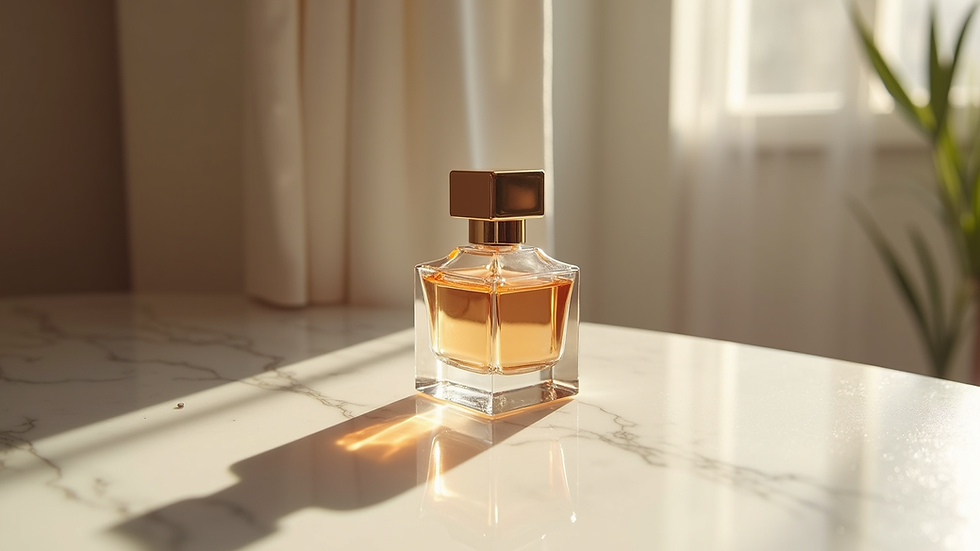
Once you’ve found a fragrance you love, consider the bottle design. A beautiful bottle can enhance the overall experience and make a lovely addition to your vanity. Look for a design that resonates with your style, whether it’s sleek and modern or vintage and ornate.
Making Your Signature Scent Last
To ensure your signature scent lasts throughout the day, follow these tips:
Apply on Pulse Points: Spray on areas like your wrists, neck, and behind your ears where the skin is warmer.
Moisturize First: Applying fragrance on moisturized skin can help it last longer.
Avoid Rubbing: After applying, avoid rubbing your wrists together, as this can break down the fragrance.
The Emotional Connection
A signature scent is not just about the fragrance itself; it’s about the memories and emotions it evokes. Consider how certain scents remind you of specific moments or people. This emotional connection can deepen your relationship with your chosen fragrance.
Creating a Fragrance Layering Routine
For those who want to enhance their signature scent, consider layering fragrances. This involves combining different scents to create a unique blend. Here’s how to do it:
Choose Complementary Scents: Select fragrances from the same family or with notes that harmonize well.
Start with a Base: Apply a base fragrance first, then layer with a complementary scent.
Experiment: Don’t be afraid to try different combinations until you find the perfect blend.
Conclusion
Choosing your signature scent is a personal journey that involves exploration, experimentation, and self-discovery. By understanding fragrance families, identifying your preferences, and considering seasonal changes, you can find a scent that truly represents you. Remember, your signature scent is an extension of your personality, so take your time and enjoy the process.
Now that you have the tools to find your perfect fragrance, it’s time to start your scent journey. Visit a local fragrance store, explore different options, and embrace the art of scent. Your signature scent awaits!

Comments